Biggest rule change ever and Brit teen – what’s new in F1 in 2026?
-
Published
The 2025 season has ended and McLaren have won both the constructors’ and drivers’ championships – but now things are about to change in Formula 1.
Next year, the sport will enter a new dawn of technical regulations and also welcome an 11th team on the grid.
BBC Sport runs down the key things to look out for in the 2026 season.
Bold new era of rules
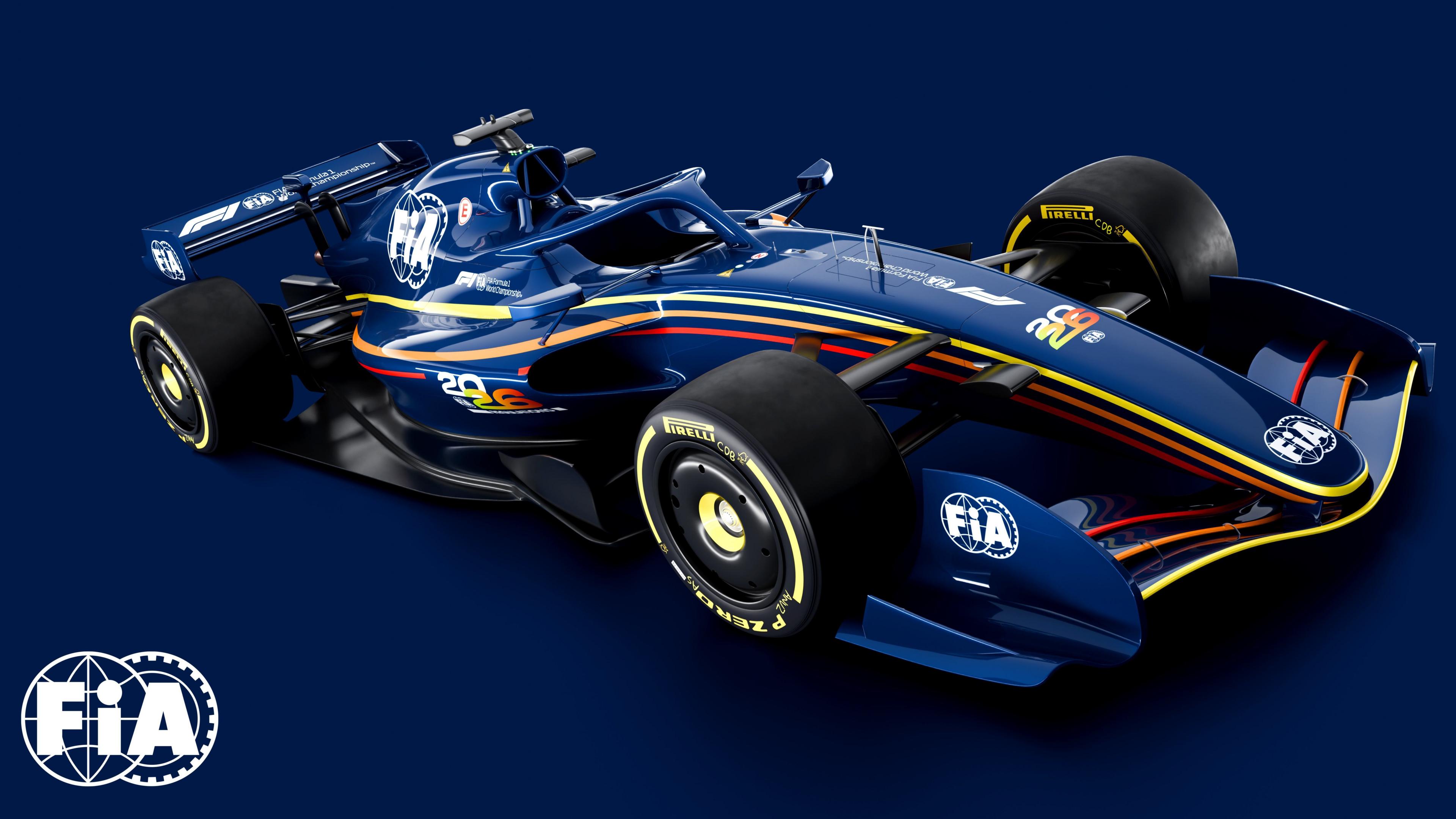 Image source, FIA
Next year’s cars will be more environmentally friendly and use fully sustainable fuels
The new rules being brought in for 2026 are the biggest change in F1 for years – if not ever.
Cars will be smaller, nimbler and more environmentally friendly.
They will be 30kg lighter, 10cm narrower and have engines with a near 50-50 split between electric and internal combustion power – and use fully sustainable fuels.
Will the racing be any different? Yes, but how different is one of many unknowns.
The chassis and engine rules have never both been changed at the same time to this extent.
There will be new aerodynamic rules, and the power units, while of similar architecture to the past 12 years, have been significantly modified in terms of technology.
The engines remain 1.6-litre V6 turbo hybrids, but the MGU-H, which recovers energy from the exhaust and turbo, has been removed, while the proportion of power produced by the hybrid part of the engine has been more or less doubled to about 50%.
This has required major changes to aerodynamics. Not only has the venturi-underbody ground effect philosophy introduced in 2022 been abandoned, but movable front and rear wings have been introduced. That’s to increase straight-line speed to enable more energy harvesting under braking.
For some time, there have been varying levels of concern expressed by the drivers about how this will affect the racing.
There will be some idiosyncrasies, it seems. The internal combustion engine will spend a fair bit of its time acting as a generator for the battery. So engines will be at maximum revs in some corners, for example.
The DRS overtaking aid has gone, because the opening of the rear wing is required for other purposes. So instead there will be a push-to-pass button that gives extra electrical energy for a time.
“It’s really, really hard to predict what it’s going to be like,” says Lewis Hamilton. “I don’t want to dog it. I don’t want to say too many negative things.
“It feels so much different and I’m not sure you’re going to like it. But maybe I’ll be surprised. Maybe it’ll be amazing. Maybe overtaking will be incredible. Maybe it’ll be easier to overtake. I don’t know.
“We have less downforce, more torque. Driving in the rain, I can imagine it’s going to be very, very, very tough. Much harder than it is already with what we have today. But as I said, we might arrive and we might have better grip than we anticipated.”
Brit teenager Lindblad makes debut
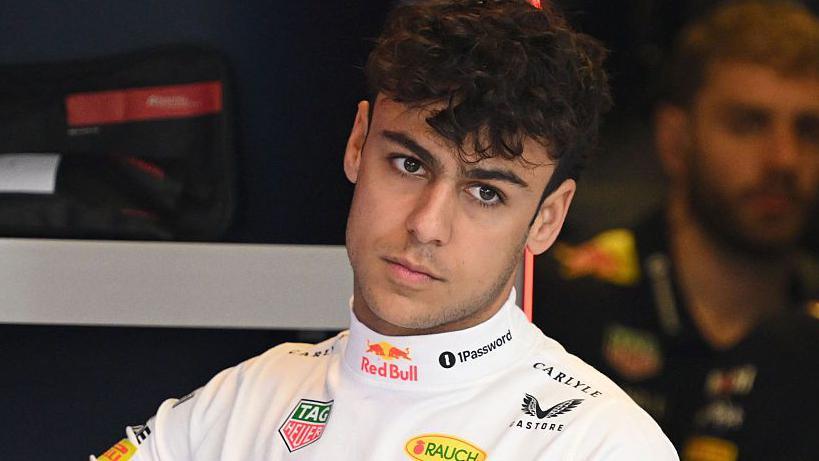 Image source, Getty Images
Arvid Lindblad was born 10 months after Aston Martin driver Fernando Alonso won his first drivers’ title in 2006
The majority of the drivers will remain the same in 2026, but there are a few changes to look out for, including a British rookie.
Frenchman Isack Hadjar, who claimed his first F1 podium at the Dutch Grand Prix, makes the step up from Racing Bulls to replace Yuki Tsunoda as Max Verstappen’s team-mate at Red Bull.
Taking Hadjar’s seat at Red Bull’s sister team will be 18-year-old Briton Arvid Lindblad.
Lindblad, who has a Swedish father and a mother of Indian descent, finished his Formula 2 campaign with Campos Racing in sixth place and will be team-mate to New Zealander Liam Lawson.
Cadillac joins the grid
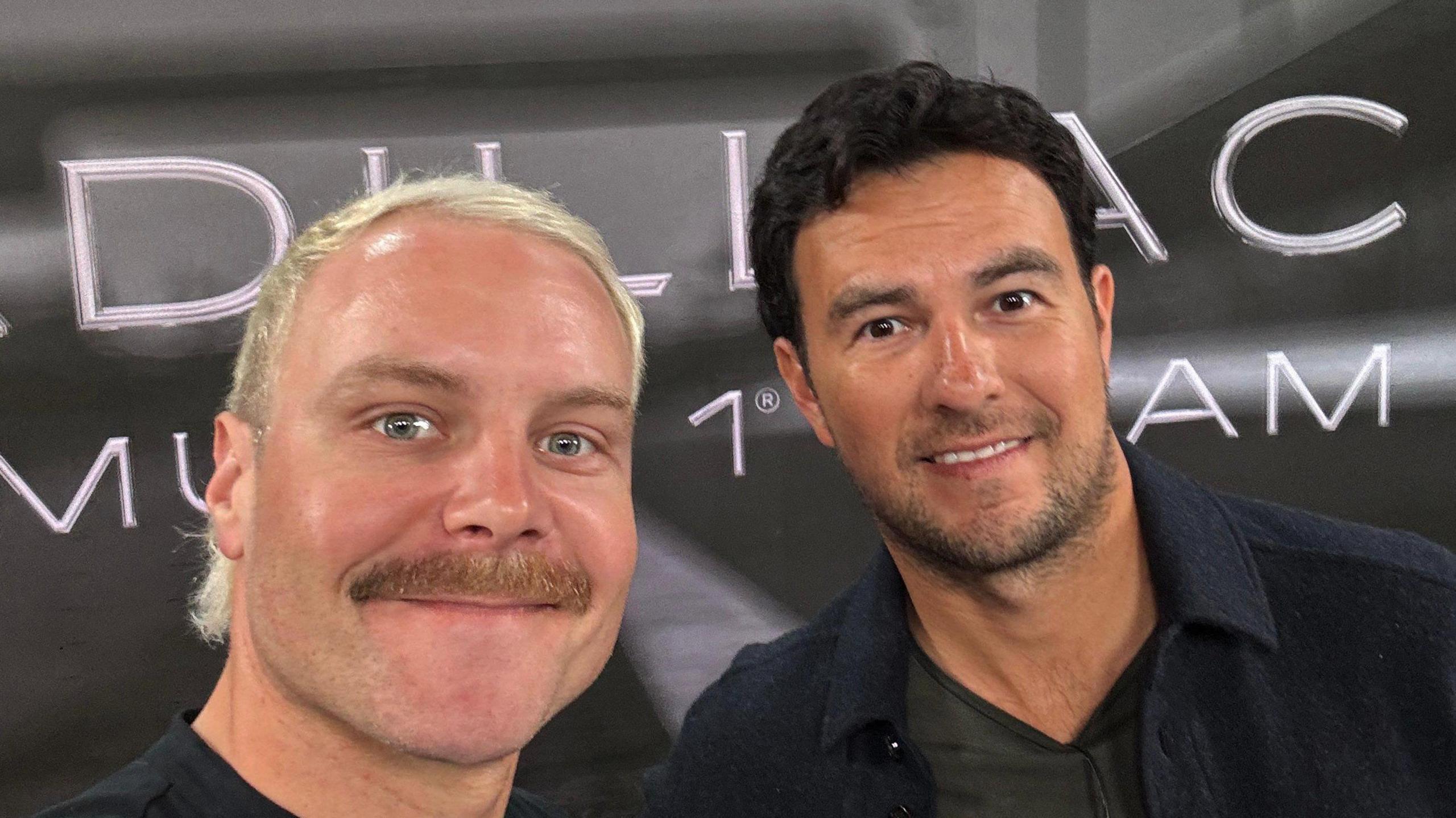 Image source, Cadillac
Valtteri Bottas (left) has 10 races wins in Formula 1 while Sergio Perez (right) has six
Ten teams will become 11 next season when Cadillac, backed by US car giant General Motors, joins the grid.
Cadillac have opted for experience over youth and chosen ex-Mercedes man Valtteri Bottas and former Red Bull driver Sergio Perez, with 106 podium finishes between them, as their inaugural line-up.
Briton Graeme Lowdon, who has previously worked for former F1 teams Virgin and Marussia, will be team principal.
The American team will purchase and use power units from Ferrari for their first three seasons, with their own GM-developed engines set to arrive for 2029.
Sauber become Audi
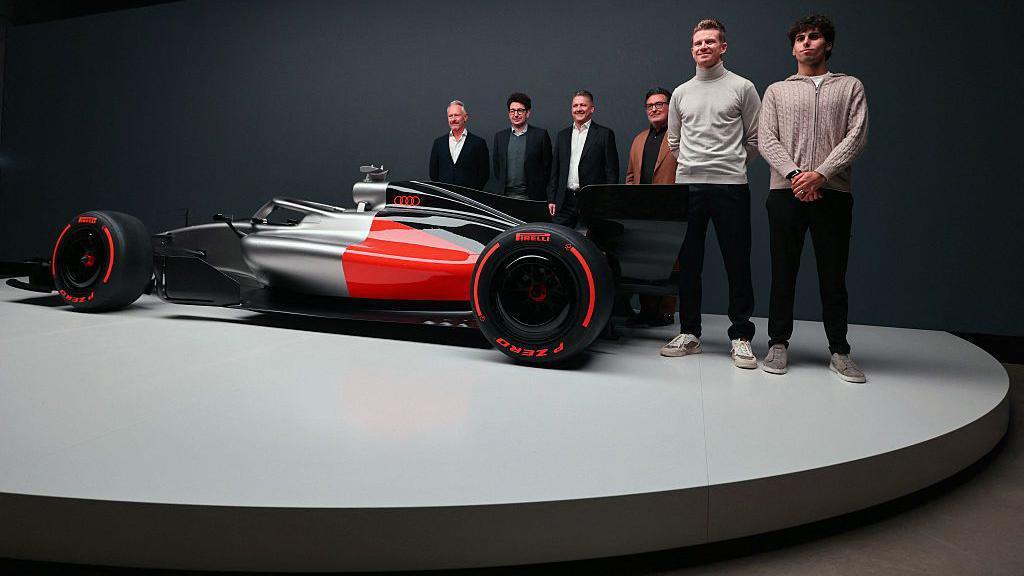 Image source, Getty Images
Audi took 100% ownership of Sauber at the beginning of the year
Audi are another new name for next season, but – unlike Cadillac – the German manufacturer has taken over the Swiss-based Sauber team, who finished ninth in the 2025 constructors’ championship.
Audi is designing an engine for its entry, which coincides with the introduction of the new power-unit regulations.
Jonathan Wheatley will be team boss and work alongside former Ferrari principal Mattia Binotto, who is head of Audi’s F1 project.
German driver Nico Hulkenberg and Brazilian Gabriel Bortoleto, Sauber’s driver pairing in 2025, will be Audi’s maiden line-up.
Ford return and Renault engines fall silent
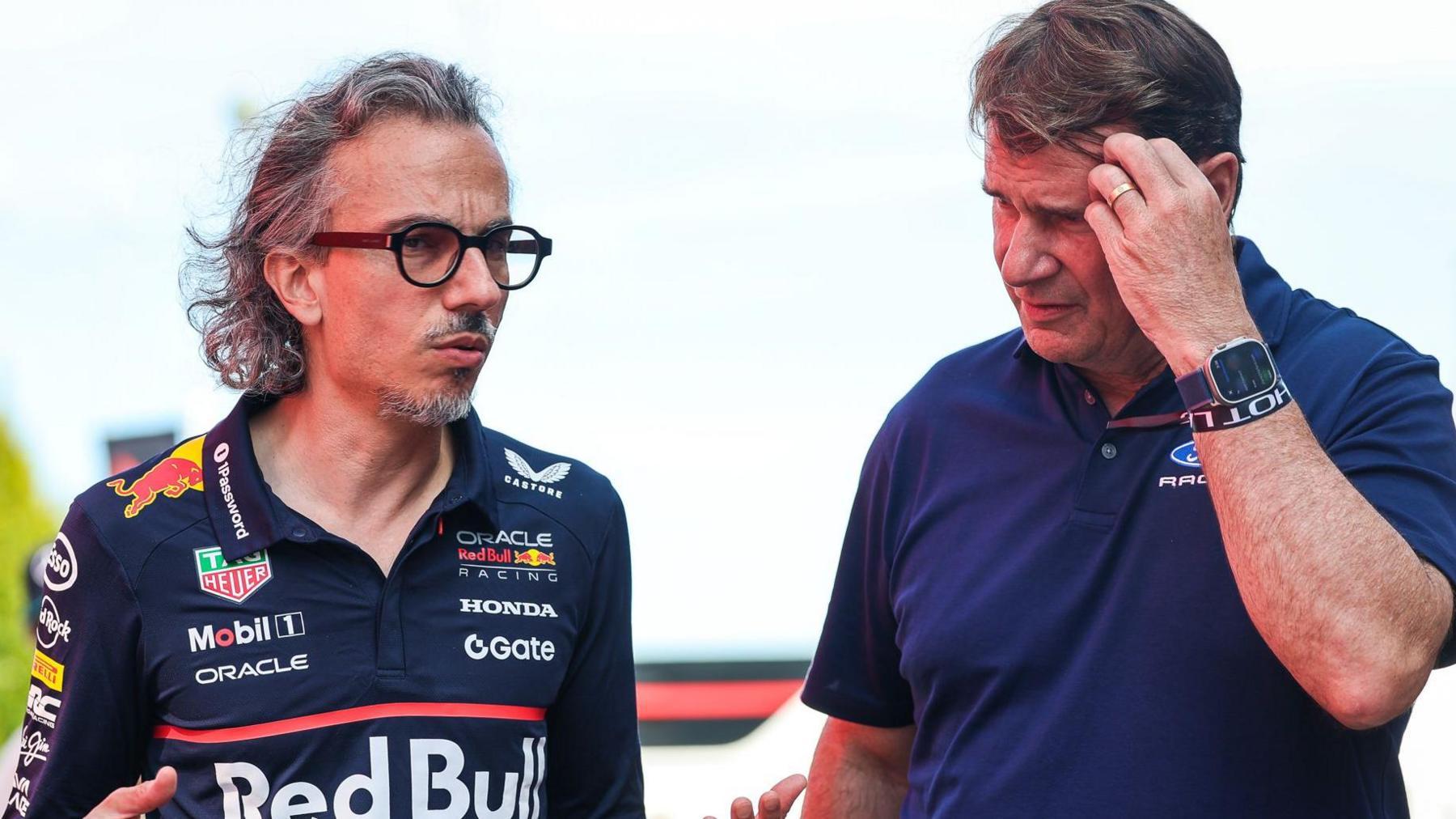 Image source, Getty Images
Red Bull team principal and Ford chief executive officer Jim Farley at the Italian Grand Prix in September
Red Bull will begin an engine partnership deal with US car giant Ford, which is part-funding the power-units Red Bull are designing for the new regulations.
That brings to an end Red Bull’s partnership with Honda. The Japanese manufacturer will now be the works power unit supplier to Aston Martin, where F1 design legend Adrian Newey is to become team principal as part of a major restructure.
There is another significant engine change after Renault ended its F1 power unit programme. Renault’s Alpine team will now be paying to use Mercedes engines.
Madrid replaces Imola on calendar
 Image source, Getty Images
Construction work taking place on the Madring circuit that will host the 2026 Spanish Grand Prix
The F1 calendar is once again 24 races – starting in Australia in March and ending in Abu Dhabi in December – but there will be two trips to Spain instead of one next year.
The Spanish Grand Prix will be held on a new circuit in Madrid and effectively replaces the Emilia-Romagna Grand Prix in Imola.
The Madring will be a hybrid track, a mixture of public roads and private land with that section under construction.
It will be held from 11-13 September as the final race of an uninterrupted European leg of the season.
Barcelona remains on the calendar and is now known as the Barcelona-Catalunya Grand Prix, taking place 12-14 June.
Canada’s race weekend switches from June to 22-24 May so it can take place in the same month as the Miami Grand Prix, which is pencilled in for 1-3 May.
As a result, Monaco moves back, from May to 5-7 June.
As for sprint events, Silverstone is among the six tracks chosen to host a shorter race next season along with China, Miami, Canada, the Dutch Grand Prix at Zandvoort – which is in its final year on the calendar – and Singapore.
Related topics
-
-
Published22 hours ago
-
-
-
Published1 day ago

-
-
-
Published2 days ago
-